What Keeps Parcels Safer Before They Reach the Door?
A parcel rarely gets damaged because of one dramatic drop.
A parcel rarely gets damaged because of one dramatic drop. More often than not, small knocks, repeated handling, and movement inside the pack gradually create the problem. A book corner rubs against the carton. A decorative item shifts every time the parcel changes hands. By the time the package reaches the customer, the damage has already happened.
That is why safe delivery begins before dispatch. In practical packing environments, reliable protection usually comes down to choosing the right packaging materials rather than simply adding more layers.
The safest parcels are usually built in stages. The outer pack creates structure, while internal cushioning controls movement. When those two work together properly, deliveries arrive cleaner, safer and far more presentable.
Why Does the Right Packaging Matter So Much?
A strong box alone does not always prevent transit damage.
Many products are damaged because the contents move inside the package during handling. That is why packing specialists usually focus on three important factors first:
How much space remains inside
Whether delicate edges or corners are exposed
How many handling stages the parcel is likely to pass through
That practical thinking often makes the difference between a secure delivery and a disappointing return.
Which Materials Help Keep Parcels Safer?
Different products need different forms of protection. A hardback book, a ceramic accessory and a small electronic item should not all travel in the same format.
Book Mailers
For flat products, book wraps remain one of the most reliable packaging choices.
They are designed to fit closely around the item, helping reduce movement while protecting edges from bending during transit. Books, catalogues, framed prints, and slim retail products often travel more safely in this format because the structure keeps the contents tight.
In fulfilment environments, tighter packaging often performs better than oversized cartons filled with excess padding. When movement is controlled early, the chances of corner damage usually fall significantly.
Protective Outer Wrap
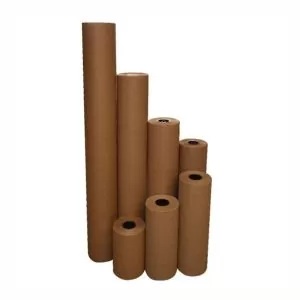
parcel wrap is widely used when products need an extra protective layer during shipping.
It helps shield cartons from light surface damage, moisture contact and handling marks during loading and transport. This becomes particularly useful when parcels move through multiple delivery stages or travel alongside heavier packages.
A properly wrapped parcel also looks cleaner and more professionally packed, which matters because presentation often shapes the customer’s first impression before the package is even opened.
Void Fill Support
Even strong cartons can fail if there is too much space inside. That is where newspaper offcuts remain practical.
They help support awkward corners, stabilise lightweight products and reduce unnecessary shifting during transit. Decorative homeware, smaller retail items and irregularly shaped products often benefit from this simple internal cushioning.
In busy packing rooms, even small gaps can cause gradual damage from repeated movement. Controlled filling helps reduce that risk before the parcel leaves dispatch.
How Important Is Bubble Cushioning?
Bubble cushioning continues to play a major role in modern packaging because it protects surfaces and absorbs impact.
A light protective layer around delicate products helps soften contact points during movement. Glassware, polished home accessories, electronics and fragile decorative items often travel more safely with this added cushioning.
A useful example can be seen in online home décor fulfilment. Candle holders and ceramic bowls often arrive safely because the internal contact points have been properly protected.
Why Do Strong Boxes Still Matter?
Internal cushioning only works properly when the outer structure remains stable.
Corrugated cartons help distribute stacking pressure and protect parcels from the weight of surrounding packages during transit. Choosing the right box size matters as much as selecting the correct board strength.
Oversized cartons often allow unnecessary movement. A closer fit usually creates better control and reduces the need for excessive internal filling.
For heavier products, double-wall cartons provide additional rigidity. That extra strength becomes especially useful where deliveries pass through multiple handling stages.
Can Small Packaging Details Make a Bigger Difference?
They often do.
Fragile products usually take pressure first at corners, seams and raised edges. That is why experienced packing teams often reinforce:
Corners
Exposed rims
Raised surfaces
Delicate protruding areas
Even a small protective layer, when placed correctly, can make a noticeable difference by the time the package reaches the customer.
How Does Good Packaging Improve Customer Confidence?
Packaging protects more than the product itself. It also shapes how customers judge the business behind the delivery.
A neatly packed parcel immediately feels more reliable and professionally handled. Crushed corners, weak sealing or poorly fitted cartons can reduce customer confidence before the product is even examined.
That is why many retailers now focus on presentation alongside protection. Clean folds, secure sealing and properly fitted packaging help create a stronger unboxing experience.
Conclusion
Safer deliveries rarely depend on a single thick outer layer. More often than not, they depend on how different materials work together to control movement, protect surfaces, and support the product throughout transit.
From book wraps, parcel wrap and newspaper offcuts to bubble cushioning and strong corrugated cartons, each material plays a different role in protecting goods during shipping.
When the packaging fits the product properly, parcels arrive exactly as they should—secure, presentable and ready to impress.
Provide important information that is actual, sharp and reliable
BLOGORA
LATEST NEWS
DAILY
Have a story to tell? Write for Blogora.
We're always looking for fresh perspectives, expert analyses, and investigative pieces from passionate writers.
PITCH A STORY →RELATED POST ON : BUSINESS
VIEW ALL BUSINESS →Have a Story
To Tell?
Join our roster of industry experts, investigative journalists, and passionate writers. We're actively seeking fresh perspectives for our editorial platform.
ALL SUBMISSIONS REVIEWED WITHIN 48 HOURS